Prototype data
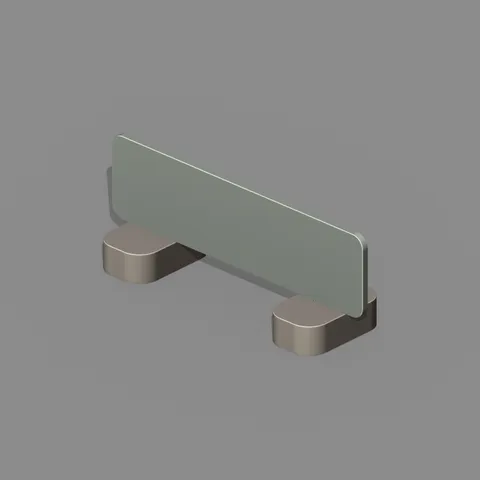
Double Sided Score Bar
Show a tabletop score to players on both sides of a slim freestanding panel.
Intermediate2 filesCC BY
Difficulty is a guide based on the data structure. It does not promise a printing result.
Open source
ptdecker/Self-stacking Tarot Boxes
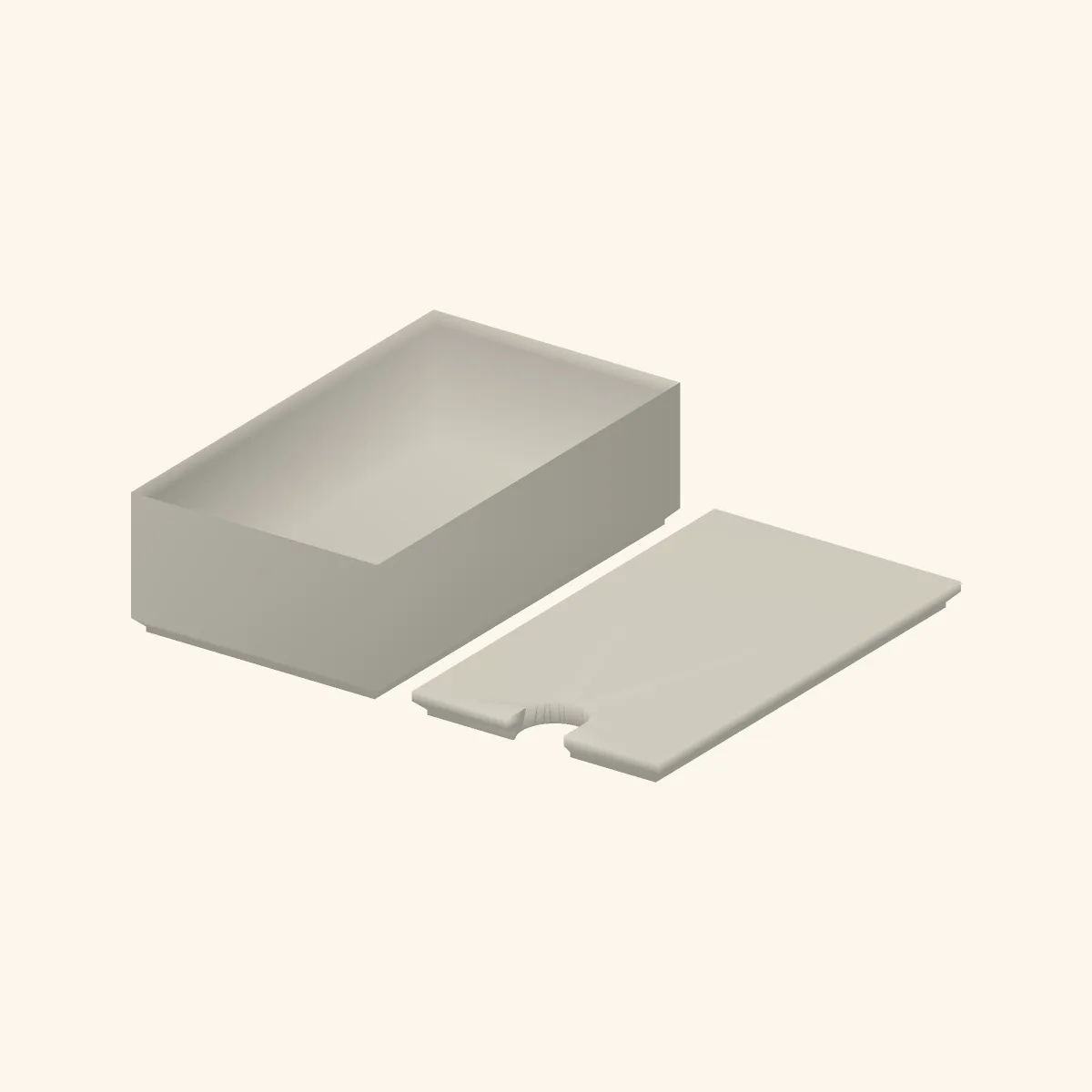
Designed to organize tarot decks, this rectangular storage set consists of a main box and a separate lid.
Category: Tabletop games
Difficulty is a guide based on the data structure. It does not promise a printing result.
Prototype data (not test-printed). Check the geometry in your slicer before printing. Physical dimensions, assembly fit and strength have not been verified.
No printer needed. Print Saku can print this design and deliver it to you.
Printing and delivery are paid services.
Designed to organize tarot decks, this rectangular storage set consists of a main box and a separate lid. Straight walls define the storage space, while the lid has a rim and a finger-access notch. The author's project describes an interlocking stacking arrangement, but deck fit, lid clearance and stacking strength have not been validated for this delivery. Compare the geometry with your own cards before use. These two components count as one design, released under CC0 by ptdecker in the openscad repository.
Check the dimensions, orientation and support settings in your slicer before printing. Adjust settings for your printer and material.
| File name | Size in mm (approx.) |
|---|---|
| main-box | 82.6 × 144.8 × 42.6 |
| regular-lid | 82.6 × 144.8 × 7.5 |
CC0 1.0 (public domain dedication)
Read the full license terms ↗Source: ptdecker “Self-stacking Tarot Boxes”
Inclusion does not imply endorsement or warranty by the source provider.
The STL data is free. Printing and delivery cost extra if ordered. A free sign-in is required to download.
CC0 1.0 permits commercial use without copyright conditions. Other rights, such as trademarks and likeness rights, may need to be checked separately.
The maximum on each axis across STL parts is approximately 82.6 × 144.8 × 42.6 mm. These are not assembled dimensions. Check in your slicer.
Show a tabletop score to players on both sides of a slim freestanding panel.
Difficulty is a guide based on the data structure. It does not promise a printing result.
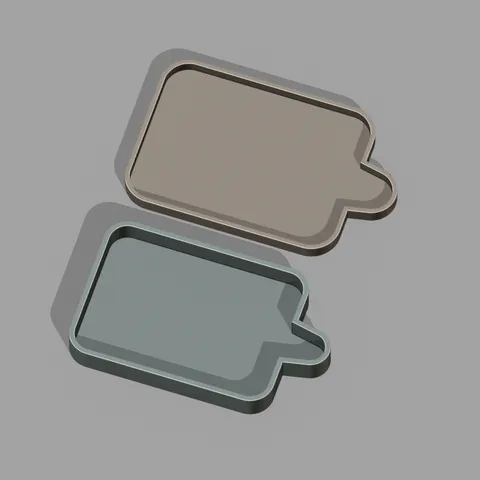
Gather a few game pieces for a short move around the table.
Difficulty is a guide based on the data structure. It does not promise a printing result.
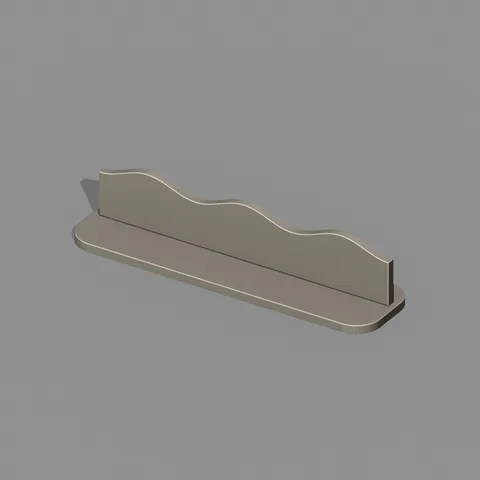
Define a temporary area for tiles or other quiet tabletop play with a low freestanding boundary.
Difficulty is a guide based on the data structure. It does not promise a printing result.
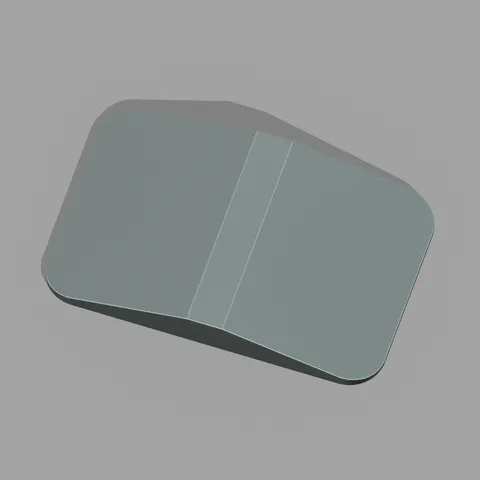
Lift the edge of a flat game tile onto a low ramp, catch it with a finger, then turn it over by hand.
Difficulty is a guide based on the data structure. It does not promise a printing result.
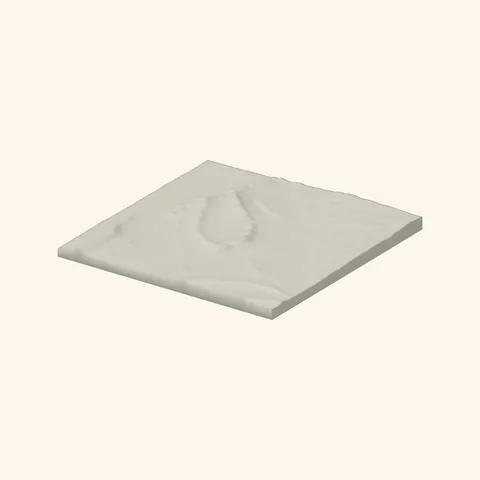
Wilpena-Pound uses its ringed-basin subject for a compact surface relief.
Difficulty is a guide based on the data structure. It does not promise a printing result.
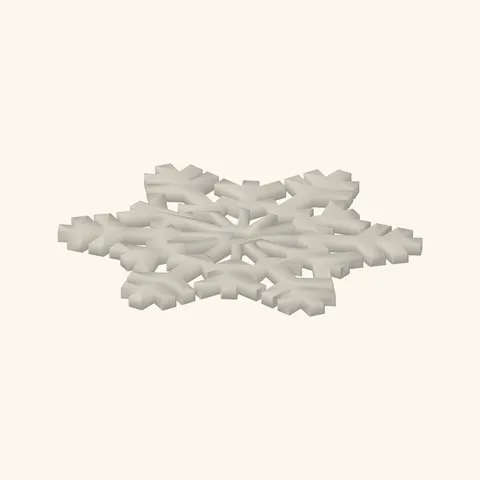
Branching edges give this flat snowflake plaque a detailed seasonal silhouette.
Difficulty is a guide based on the data structure. It does not promise a printing result.